What Is Supersulphated Cement?
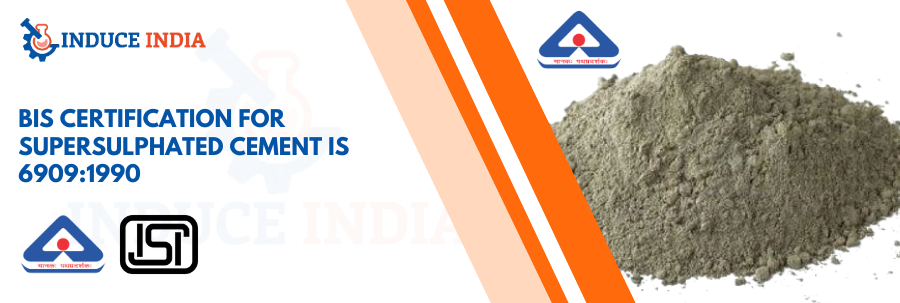
The construction industry in India is expanding more rapidly than any other time, and with this growth, there is also the surge in the demand of special building materials that are capable of working in the hardest of conditions. One of such materials is Supersulphated Cement (SSC). It is a special kind of hydraulic cement that is produced mainly out of the granulated blast furnace slag that is activated by a little amount of calcium sulphate like the gypsum or anhydrite in addition to a small portion of Portland cement clinker or lime. The secret of Supersulphated Cement that is most remarkable is its ability to resist the aggressive chemical environments most particularly, the sulphate-based soils, sea water, acidic ground water, and industrial effluents. This renders it the choice of foundations, marine buildings, tunnels, sewage treatment facilities, and projects in the chemical industry whereby normal cement would be ruined within a brief duration. In order to defend the quality and safety of this speciality product, BIS Certification with the reference to IS 6909:1990 is compulsory to all manufacturers and importers in India.
What Is IS 6909:1990?
BIS has developed a special Indian Standard of the Supersulphated Cement named as the IS 6909:1990. This standard has been very specific on specifying the technical requirements, chemical limits of composition, physical performance and testing that any Supersulphated Cement product must comply with before it is legally sold in India. Since its publication in 1990, IS 6909 has been the official standard of quality on which SSC operates in the country. It includes parameters like slag content, sulphate content, compressive strength, setting time, fineness and soundness which are essential. All manufacturers or importers of Supersulphated Cement in India are bound by all means to comply with IS 6909:1990 and have a valid BIS ISI Mark licence to be able to sell the product in law.
Why does BIS Certification make Supersulphated Cement mandatory?
Supersulphated Cement has been included under the BIS Compulsory Certification Scheme and it is a legal requirement that all manufacturers, importers, and sellers of the product should be issued with a valid BIS licence under IS 6909:1990 before distributing or selling the product in India. This choice can be explained very easily because Supersulphated Cement is applied in delicate and critical buildings where failure of quality can lead to very severe outcomes. However, a marine foundation, a chemical plant, or an underground structure will rapidly deteriorate, be expensive to repair, and experience unsafe safety failures due to poor quality SSC. BIS ISI Mark is when the product has been strongly tested and it has passed all the quality and safety criteria of the IS 6909:1990. It is provided that any manufacturer or seller who sells SSC without a genuine BIS licence is subject to legal reprimand by the BIS Act of 2016.
Important Technical Requirements Under IS 6909:1990
In order to receive BIS ISI Mark of Supersulphated Cement, the manufacturers of this product need to assure the passing of their product through all tests necessary under IS 6909:1990. The proportion of slag should not be lower than 70 percent of the entire cement in mass. The element of sulphate which is expressed as SO3 should not exceed the allowable range of the standard. The cement should also comply with specifications regarding the minimum compressive strength of cement at 3days, 7 days and 28 days. The setting time should not be less than 30 minutes and the setting time should not be more than 600 minutes. The cement fineness in terms of Blaine air permeability method should not be less than that which is required. The soundness, as determined by the Le Chatelier method, has to be within reasonable limits, as well. All these tests should be done in the NABL-certified or the BIS-approved laboratories, and the results should always be in compliance with the requirements of the IS 6909:1990 in order to get and keep the BIS licence.
Application procedure to BIS Certification in the context of IS 6909:1990
The BIS ISI Mark of Supersulphated Cement is received in a well-organized way. To start with, the manufacturer has to register on the BIS Online Portal and submit a formal application with all the necessary documents, such as the plant and factory informatics, flow of the manufacturing process, information about the raw materials, quality control reports, and the latest test reports of the product in the authorized laboratories. BIS then appoints one of its officers to do a factory visit to ensure that the production plant has the correct equipment, infrastructure and quality management systems in place. Upon successful inspection and passing of all the tests on the products as specified under the IS 6909:1990, BIS grants the ISI Mark licence that has a duration of one year and it must be renewed within the stipulated time. BIS also performs regular surprise inspections and surveillance of the market to still guarantee that the certified manufacturers do not stop their quality standards.
Advantages of BIS Certification and the help that can be provided by Induce India
Being BIS certified to IS 6909:1990 is not only a good choice of business but also a legal requirement. A product bearing the BIS ISI Mark instantly wins the confidence of industrial purchasers, infrastructural developers and government bodies. The ISI Mark is a requirement in the majority of government tenders that involve Supersulphated Cement, and hence certified manufacturers are already at a direct benefit in securing major contracts. The certification is also strengthening the brand reputation, enhancing internal quality process, and creating external opportunities of export. But it may be difficult and time-consuming to run the whole process of BIS certification alone. Induce India is a trusted certification firm specialising in offering full support to BIS ISI Mark certification to the IS 6909:1990 which is a certification that covers preparing documents, coordination of lab tests, support of factory audit and license renewal.
Conclusion
Supersulphated Cement Certification in IS 6909:1990 is a tag of quality, safety, and trust that all the responsible manufacturers should bear. Seeing the nature of places Supersulphated Cement is used, the requirements of IS 6909:1990 cannot be fulfilled, as an option, they are necessary to ensure the safety of structures and those who use them. To manufacturers, BIS ISI Mark is an entry point to bigger market, improved contract and a reputable brand name. In case you are willing to have your Supersulphated Cement certified, contact Induce India today. Their professional staff would take you through all the process of BIS certification, in a professional, convenient, and successful manner.