
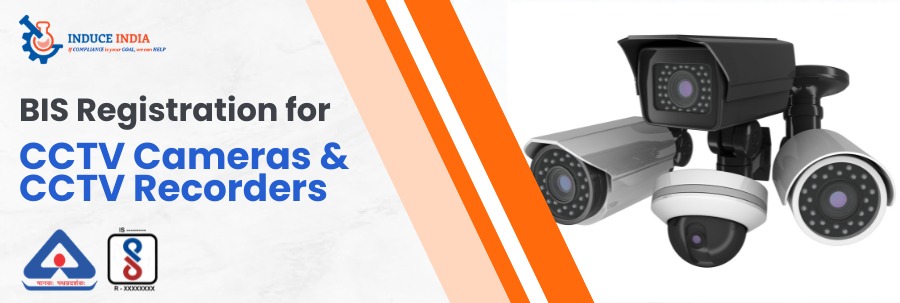
In today’s digital world, CCTV Cameras and CCTV Recorders (DVRs/NVRs) have become essential for residential, commercial, and industrial security. As the demand for surveillance systems continues to grow, ensuring product safety and compliance with Indian regulations is equally important. If you are a manufacturer of CCTV Cameras and CCTV Recorders your products fall under the Compulsory Registration Scheme (CRS) as per the guidelines issued by the Bureau of Indian Standards (BIS) and are required to comply with IS 13252 (Part 1): 2010.
IS 13252 (Part 1): 2010 is the Indian Standard that specifies general safety requirements for Information Technology Equipment (ITE). The standard focuses on protecting users from electrical hazards, fire risks, overheating, mechanical hazards and other safety concerns that may arise during normal operation.
Since CCTV Cameras and CCTV Recorders are electronic information technology products, they are required to comply with this standard before being sold in the Indian market under the BIS CRS scheme.
Mandatory BIS CRS Registration for CCTV Cameras and Recorders?
The Government of India introduced mandatory BIS registration to ensure that electronic products available in the market meet minimum safety requirements.
The objectives include:
- Protecting consumers from unsafe electronic products
- Ensuring electrical and fire safety
- Maintaining product quality and reliability
- Preventing substandard imports
- Building confidence among buyers and businesses
Without BIS registration, covered CCTV products cannot be legally manufactured, imported, stored for sale, or sold in India under the applicable CRS requirements.
Products Covered
The following products are covered under IS 13252 (Part 1): 2010:
- CCTV Cameras
- IP Cameras
- Analog Cameras
- HD Cameras
- Network Video Recorders (NVR)
- Network Video Recorders (NVR)
- Hybrid Video Recorders
- CCTV Surveillance Recording Systems
Coverage depends on the applicable notifications and product scope under the CRS.
BIS Registration Process for CCTV Cameras & Recorders
The BIS CRS registration process generally involves the following steps:
1. Product Testing– Samples are tested in a BIS-recognized laboratory according to IS 13252 (Part 1): 2010.
2. Test Report Preparation– The laboratory issues a detailed test report confirming compliance with applicable safety requirements.
3. Online BIS Application– The manufacturer submits the BIS registration application.
4. BIS Review– BIS verifies the submitted documents and evaluates the application.
5. Grant of Registration– Once approved, BIS issues a Registration Number, allowing the manufacturer to use the Standard Mark on eligible products.
Validity of BIS Registration
A BIS CRS registration remains valid subject to applicable BIS provisions and can generally be renewed by following the prescribed renewal process and maintaining continued compliance with the relevant standard and regulatory requirements. Manufacturers must also ensure ongoing conformity of production.
Conclusion
With surveillance technology becoming an integral part of homes, businesses, institutions, and public infrastructure, compliance with IS 13252 (Part 1): 2010 is essential for manufacturers and importers of CCTV Cameras and CCTV Recorders. BIS certification not only fulfills regulatory obligations but also enhances product quality, market acceptance, and consumer confidence.
If you are planning to manufacture or import CCTV surveillance products in India, obtaining BIS CRS Registration should be one of your first compliance priorities. Proper testing, accurate documentation, and adherence to BIS requirements will help ensure a smooth certification process and successful market entry.